 Canada
 United States
Pond care tips
Getting Rid of Pond Muck & Sludge for Good
That soft black layer on the bottom is more than gross. It’s a nutrient reservoir. Here’s how to break it down naturally.
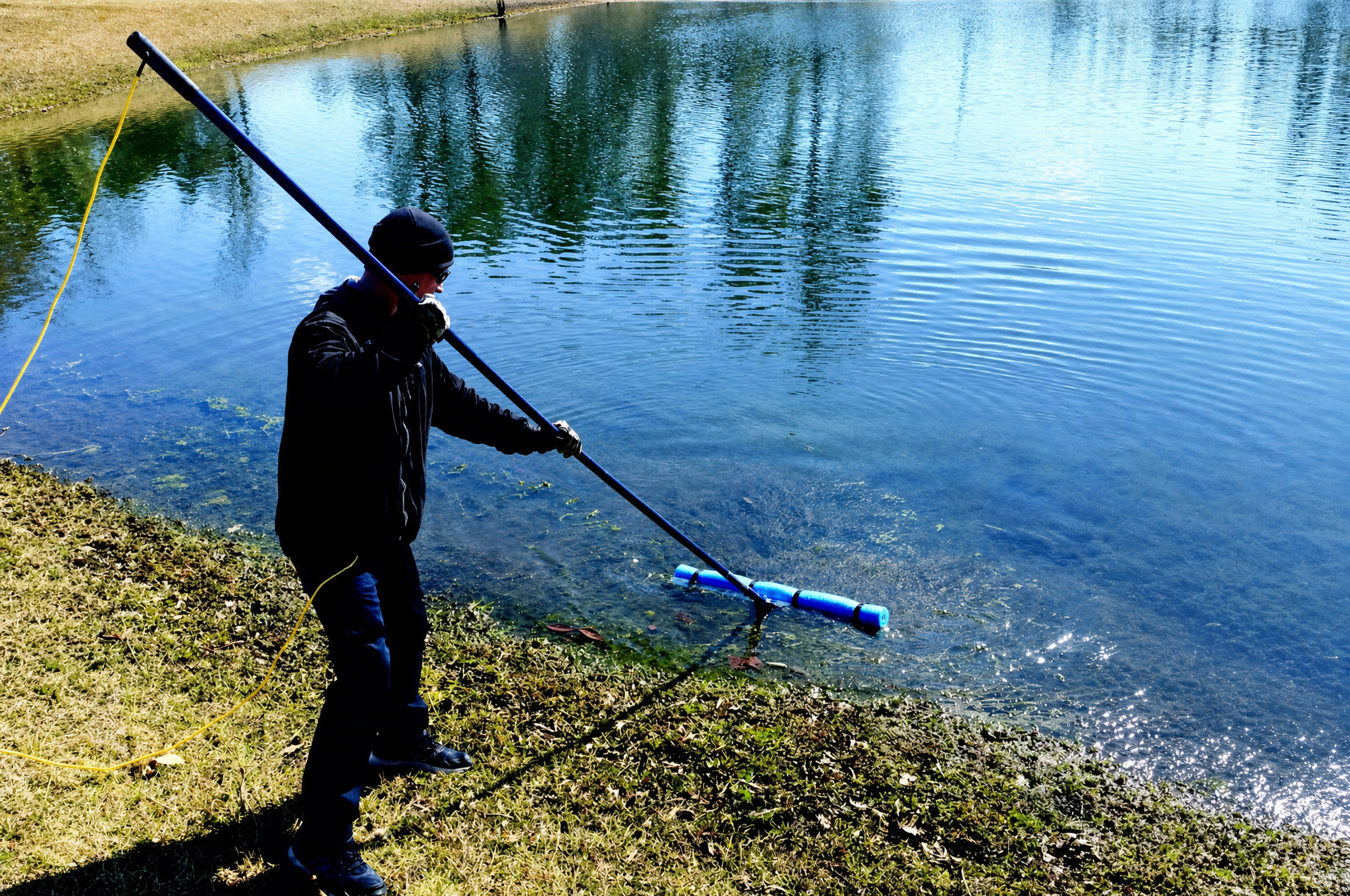
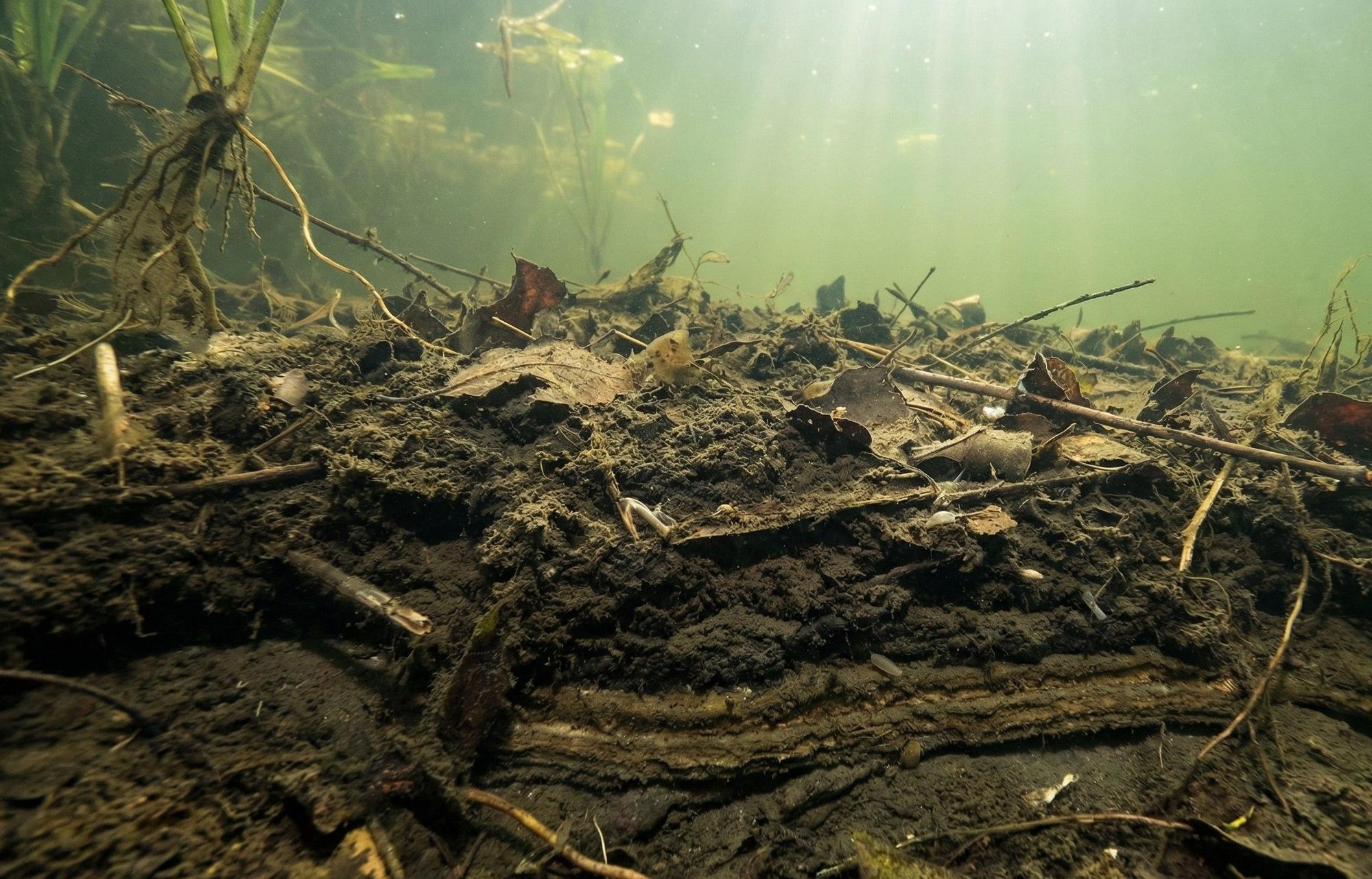
Muck, the soft, black, sometimes smelly layer on the bottom of a pond, is decades of leaves, dead weeds, fish waste and runoff that never fully broke down. It’s not just unpleasant underfoot; it’s a reservoir of nutrients that keeps feeding algae and weeds.
Why muck builds up
Organic matter falls into every pond. In a balanced pond, bacteria break it down. But when material arrives faster than the biology can process it, or when there isn’t enough oxygen, it piles up as sludge.
How to reduce it naturally
- Add beneficial bacteria. They digest the organic bottom build-up over time.
- Aerate. Oxygen supercharges that breakdown and keeps the bottom from going anaerobic (the source of rotten-egg smells).
- Keep new material out. Net leaves in fall and remove dying weeds before they sink.
Patience pays off
Muck that took years to accumulate won’t vanish overnight, but with consistent conditioning and aeration, the layer shrinks season over season, and the odours go with it.
Start with natural conditioners and aeration.
Written by
Nature’s Pond Care Team
Pond care experts
Practical, chemical-free pond care advice from the team that has been helping pond owners keep their water clear and healthy since 1988.
Keep reading
Related articles
Pond care tips
Dredging vs Bacteria vs Aeration: The Real 5-Year Cost of Pond Muck Removal
Have a dredging quote in hand? Compare the real lifetime cost of dredging, beneficial bacteria, and aeration before you spend.
Nature's Pond Care Team11 min read
Pond care tips
Does Clean Water Really Fatten Cattle? The Aeration Weight-Gain Data Explained
Research summarized by Canada's beef researchers links cleaner, aerated water to higher calf gain. Here is what the data shows, and how to run the numbers for your own herd.
Nature's Pond Care Team8 min read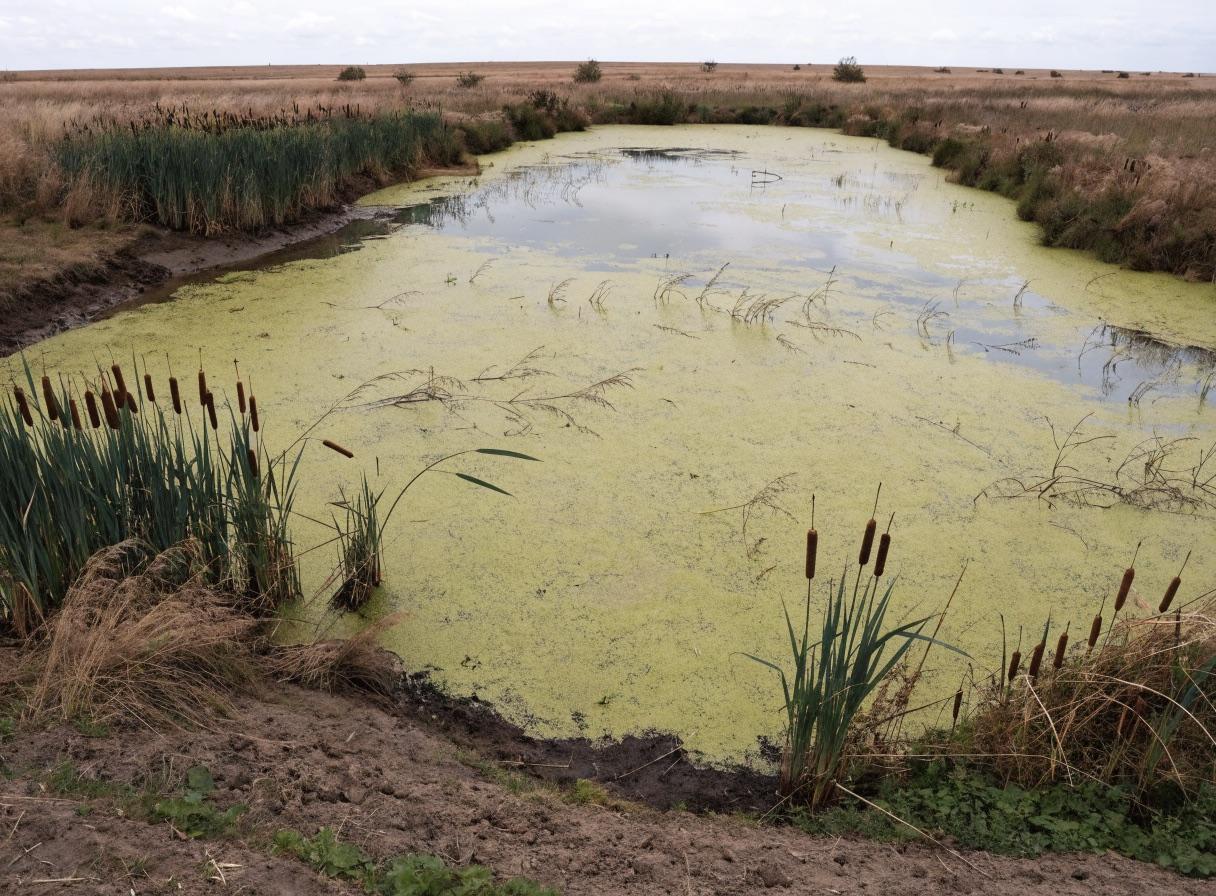
Pond care tips
How to Get Rid of Algae in a Pond, Naturally
Algae isn’t the real problem. It’s a symptom of excess nutrients. Here’s how to clear green water for good, without harsh chemicals.
Nature’s Pond Care Team7 min read
Get started
Put it into practice
Start with the conditioner, add aeration, and let nature do the rest.