 Canada
 United States
Pond care tips
Dredging vs Bacteria vs Aeration: The Real 5-Year Cost of Pond Muck Removal
Have a dredging quote in hand? Compare the real lifetime cost of dredging, beneficial bacteria, and aeration before you spend.
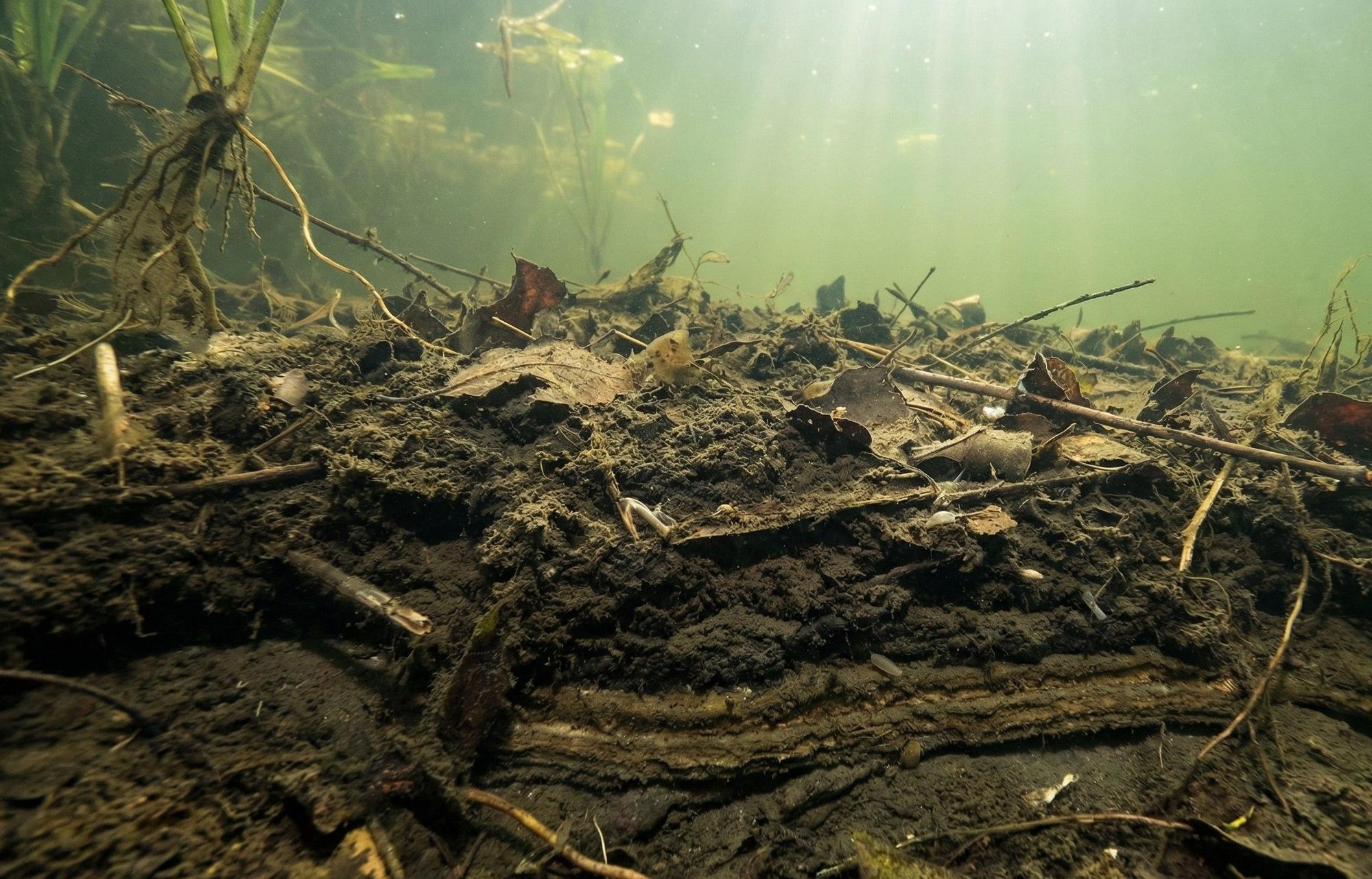
The main alternative to dredging a pond is a biological plus aeration program: a beneficial-bacteria conditioner digests the organic muck while bottom-up aeration keeps the process going. For organic muck this is typically far lower in lifetime cost than dredging, because it treats the cause. Dredging still makes sense when the problem is inorganic silt, clay, or lost water volume.
If you have a dredging quote sitting on your desk, the number probably made you wince. Before you sign it, it is worth asking a simpler question: what is actually in the bottom of your pond, and is dredging the only way to deal with it? For most soft, black, rotten-egg muck the answer is no. There is a lower-cost alternative to dredging a pond that treats the cause rather than scooping out the symptom.
This guide compares the three real ways people remove pond muck: mechanical dredging, a beneficial-bacteria conditioner, and bottom-up aeration. We look at what each one actually removes, how disruptive it is, and how the costs stack up over a five-year horizon rather than a single invoice. Any dollar figures below are stated as ranges reported by lake-management vendors, not our own numbers, because dredging price depends heavily on your access, volume, and disposal options.
Dredging removes muck once. A biological plus aeration program removes the reason the muck keeps coming back.
First, know what is in your pond bottom
The single most important thing to understand before spending anything is that pond muck comes in two very different forms, and the cheapest tool depends entirely on which one you have.
- Organic muck is decomposed leaves, dead algae, fish waste, uneaten feed, and runoff organics. This is the soft, black, foul-smelling layer that beneficial bacteria can digest.
- Inorganic sediment is silt, sand, and clay washed in from the watershed. Bacteria cannot touch it. Only mechanical removal takes it out.
Most nuisance muck in a rural or acreage pond is organic, which is exactly why a biological approach so often replaces a dredge. But if your pond has filled with clay and silt and you have genuinely lost water depth, dredging earns its cost. The only way to know your ratio is to measure. Push a stake into the bottom and read the soft layer before you commit to any method, using the method in our guide to measuring pond muck depth.
The three ways people remove muck
Each method solves a different problem. Understanding what each one is built to do makes the cost comparison much clearer.
Dredging (mechanical)
Dredging physically excavates the bottom, either by draining and digging or by pumping a slurry out with a hydraulic dredge. It is the only method that removes inorganic silt and clay and the only one that restores lost water volume. It is also the most expensive and disruptive, usually involving heavy equipment, a dewatering area, hauling, and disposal. If nutrients and low oxygen are not addressed afterward, organic muck simply starts rebuilding.
Beneficial bacteria (biological)
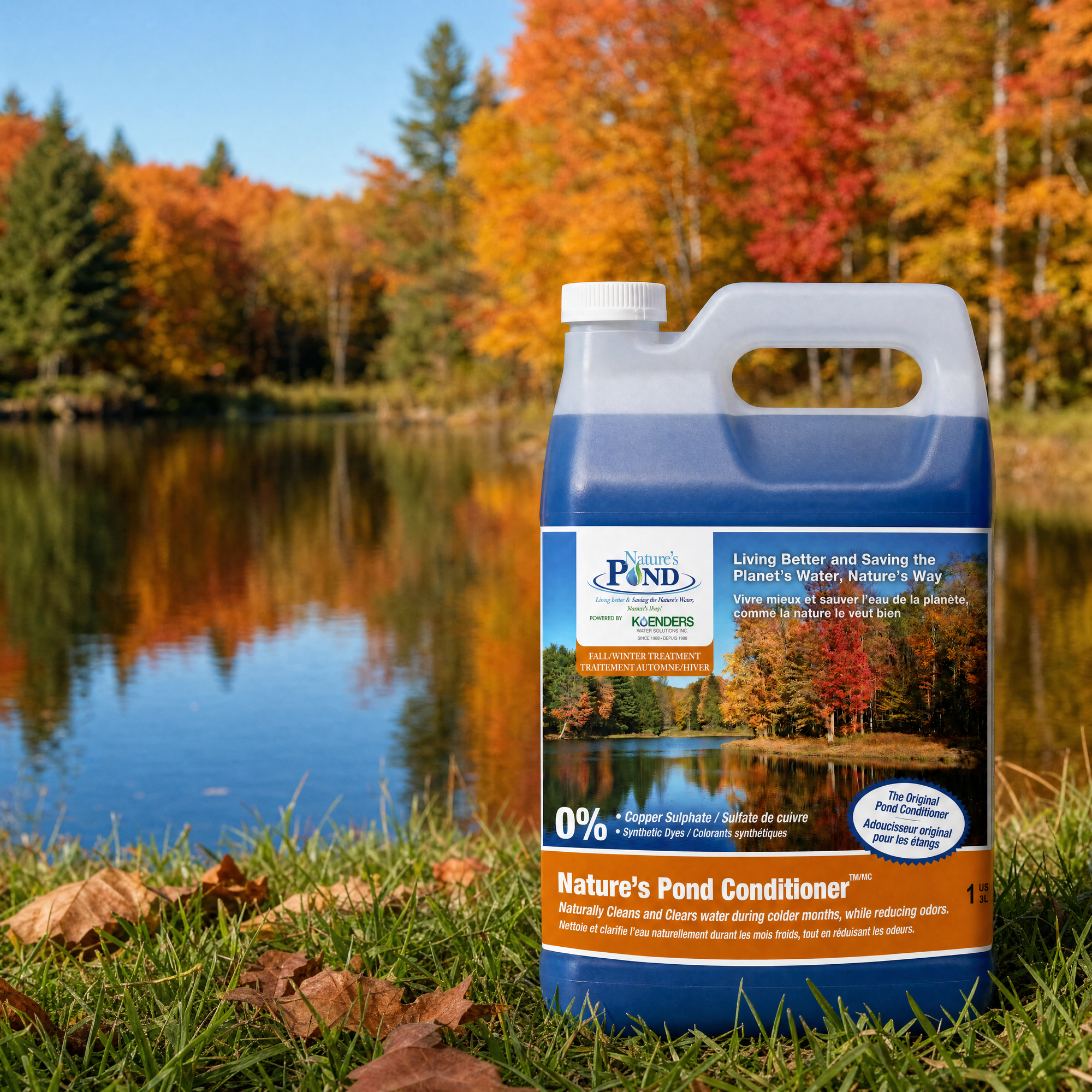
A beneficial-bacteria conditioner adds aerobic and anaerobic microbes, enzymes, and plant extracts that digest the organic layer, converting it to carbon dioxide and water. Nature's Pond Conditioner is an all-natural, non-pathogenic blend that is safe for fish, pets, livestock, and wildlife when used as directed. It works in a full pond with fish present, so there is no draining. Its limit is honest and important: it reduces organic muck only, not silt or clay, and it needs oxygen at the sediment to work well.
Aeration (physical support for biology)
Aeration is what makes biology actually work. Bottom-up diffused aeration pushes oxygen down to the sediment, where the muck sits, so aerobic bacteria can break it down instead of stalling in an anaerobic, gas-producing layer. Aeration alone slowly reduces the organic layer and prevents the low-oxygen conditions that cause fish kills and rotten-egg odor. Paired with a conditioner, it is the durable core of the 3-step Pond Care Program.
What dredging actually costs
Dredging is priced by volume and access, not by the acre in any tidy way, which is why quotes vary so widely. Lake-management vendors commonly report dredging costs running into the tens of thousands of dollars per acre once you include equipment mobilization, dewatering, hauling, and disposal of the removed material. Ponds with poor equipment access, wet spoil that is expensive to dewater, or nowhere nearby to place the removed sediment sit at the high end.
Treat any single number you see online with caution. The honest guidance is to get a local quote for your specific site, because disposal and access drive the price more than pond size does. And remember the cost recurs: if the muck is organic and the underlying nutrient and oxygen problem is untouched, you may be back for another dredge in a handful of years.
What a biological plus aeration program costs over time
A biological program trades one large capital outlay for a modest, predictable recurring spend. You buy conditioner on a seasonal schedule, and you make a one-time investment in an aeration system that then runs for years. Because it treats the cause, the muck does not simply refill the way it does after a dredge, so the recurring cost tends to shrink into a light maintenance dose once the pond stabilizes.
For remote prairie ponds and acreages with no shore power, the aeration piece does not even need a power line. Off-grid windmill aeration uses wind to drive air to a bottom diffuser, and solar aeration is an alternative where wind is inconsistent. That removes the trenching and electrical cost that would otherwise be part of the setup on a far-flung pond.
Dredging is a big one-time invoice. Biology plus aeration is a small recurring one that keeps shrinking as the pond heals.
The 5-year total-cost picture
The table below compares the methods on the factors that actually determine your five-year spend. Cost is shown in qualitative bands rather than invented dollar figures, because your real number depends on access, volume, and disposal. The pattern, though, is consistent: for organic muck, treating the cause wins over five years.
| Method | Removes organic muck | Removes silt / clay | Draining or disruption | Treats the cause | Relative 5-year cost |
|---|---|---|---|---|---|
| Dredging | Yes | Yes | High (equipment, dewatering, disposal) | No | Higher |
| Beneficial-bacteria conditioner | Yes | No | None | Partly (digests organics) | Lower |
| Bottom-up aeration | Yes, gradually | No | Low (one-time install) | Yes (restores oxygen) | Lower over time |
| Bacteria + aeration program | Yes | No | Low | Yes | Lowest lifetime cost for organic muck |
| Copper sulfate | No (kills algae, adds to muck) | No | Low up front | No | False economy (see below) |
When dredging is still the right call
Biology is not a cure for everything, and it is fair to say so. Dredging is genuinely the better spend when:
- Your pond has filled with inorganic silt and clay, which bacteria cannot digest.
- You have lost significant water volume or depth and need it physically recovered.
- There is a structural reason to reshape the basin, repair a leaking bottom, or rebuild a dam.
- The organic layer is so deep and old that you want a mechanical reset first, then a biological program to keep it from coming back.
Even then, the smart move is to pair the dredge with an ongoing program afterward. Otherwise you have paid the largest possible price to remove muck that will simply start accumulating again. Measuring first, as covered in our muck depth guide, tells you which situation you are in before you spend.
Why copper sulfate is a false economy
Some owners reach for copper sulfate because it is cheap and fast. Over a five-year view it is one of the worst choices for muck. Copper sulfate kills algae, which then sinks, rots, and adds to the very organic layer you are trying to reduce, while feeding the next bloom with released nutrients. You end up dosing again and again, and the muck deepens rather than shrinks.
It also carries fish and livestock risk, and the sudden algae die-off can crash dissolved oxygen. Aeration plus biology costs less over time precisely because it does not create the next problem. If you want the full picture, see copper sulfate for pond algae and better alternatives.
How to choose: measure, then match the method to the muck
The decision is not really dredging versus bacteria versus aeration in the abstract. It is: what is in my pond bottom, and what is the lowest lifetime cost to deal with it? Work through it in order.
- Measure the soft-muck depth in several spots and average the readings.
- Determine whether the layer is mostly organic (soft, black, smelly) or inorganic (gritty silt and clay).
- For organic muck, start a beneficial-bacteria conditioner and add bottom-up aeration to power it.
- For inorganic sediment or lost volume, get a local dredging quote, then add a biological program afterward so it does not refill.
- Skip copper sulfate as a muck strategy, because it deepens the organic layer over time.
If your water is a large pond, lake, or shared community water, the economics of avoiding repeat dredging are even stronger. See how the program scales on large ponds and lakes, or read the deeper walkthrough in our full pond muck and sludge guide. When you are ready for a specific recommendation, our in-house pond experts will size it for your pond for free.
Start the cheaper path
For most soft black muck, the alternative to dredging is not a compromise, it is the better long-term economics: digest the organic layer with a conditioner, keep it digesting with aeration, and stop paying to remove muck that keeps coming back. That is the whole idea behind the 3-step Pond Care Program: Renew with a conditioner, Revive with aeration, Remove with light mechanical cleanup. Tell us about your pond and we will recommend the right combination and dose, at no charge.
Written by
Nature's Pond Care Team
Pond care experts
Keep reading
Related articles
Pond care tips
Does Clean Water Really Fatten Cattle? The Aeration Weight-Gain Data Explained
Research summarized by Canada's beef researchers links cleaner, aerated water to higher calf gain. Here is what the data shows, and how to run the numbers for your own herd.
Nature's Pond Care Team8 min read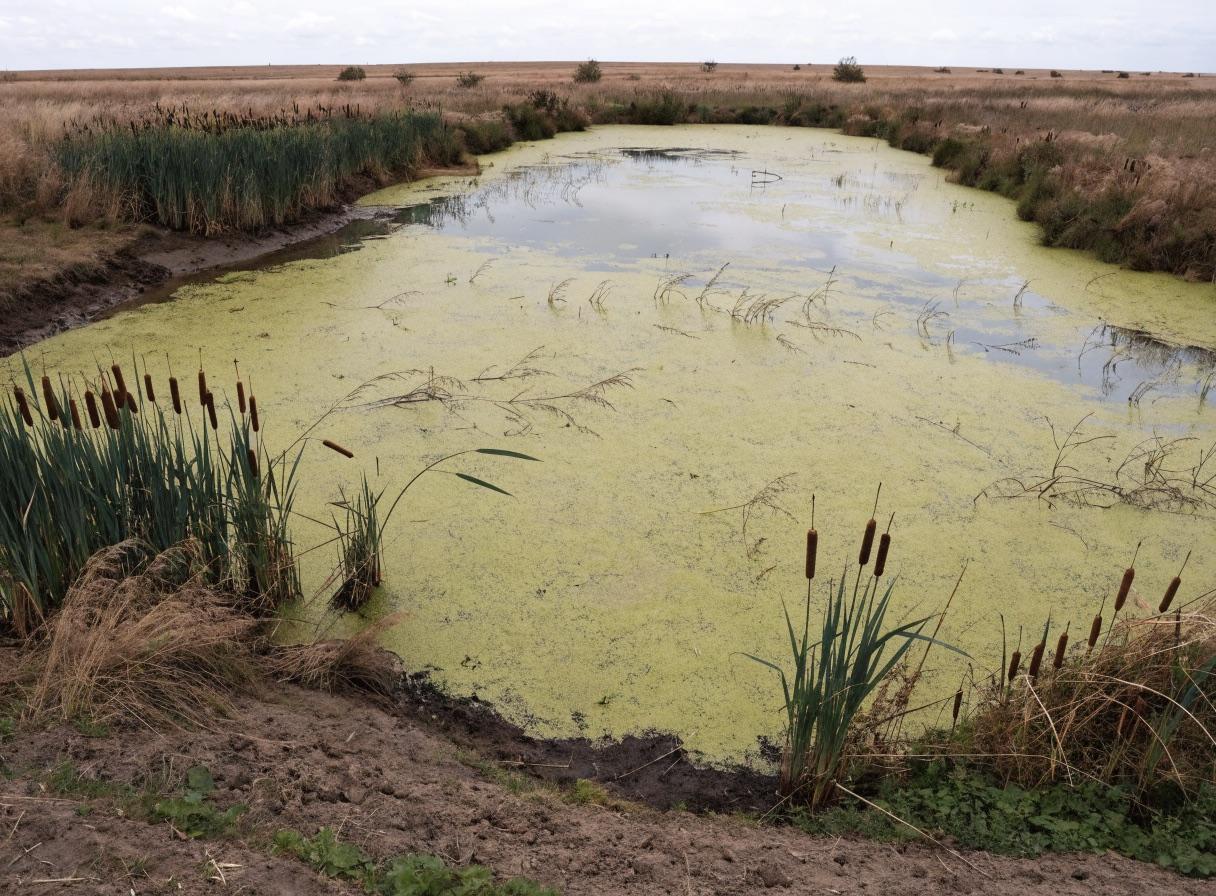
Pond care tips
How to Get Rid of Algae in a Pond, Naturally
Algae isn’t the real problem. It’s a symptom of excess nutrients. Here’s how to clear green water for good, without harsh chemicals.
Nature’s Pond Care Team7 min read
Pond care tips
Getting Rid of Pond Muck & Sludge for Good
That soft black layer on the bottom is more than gross. It’s a nutrient reservoir. Here’s how to break it down naturally.
Nature’s Pond Care Team6 min read
Get started
Put it into practice
Start with the conditioner, add aeration, and let nature do the rest.