 Canada
 United States
Pond care tips
Does Clean Water Really Fatten Cattle? The Aeration Weight-Gain Data Explained
Research summarized by Canada's beef researchers links cleaner, aerated water to higher calf gain. Here is what the data shows, and how to run the numbers for your own herd.
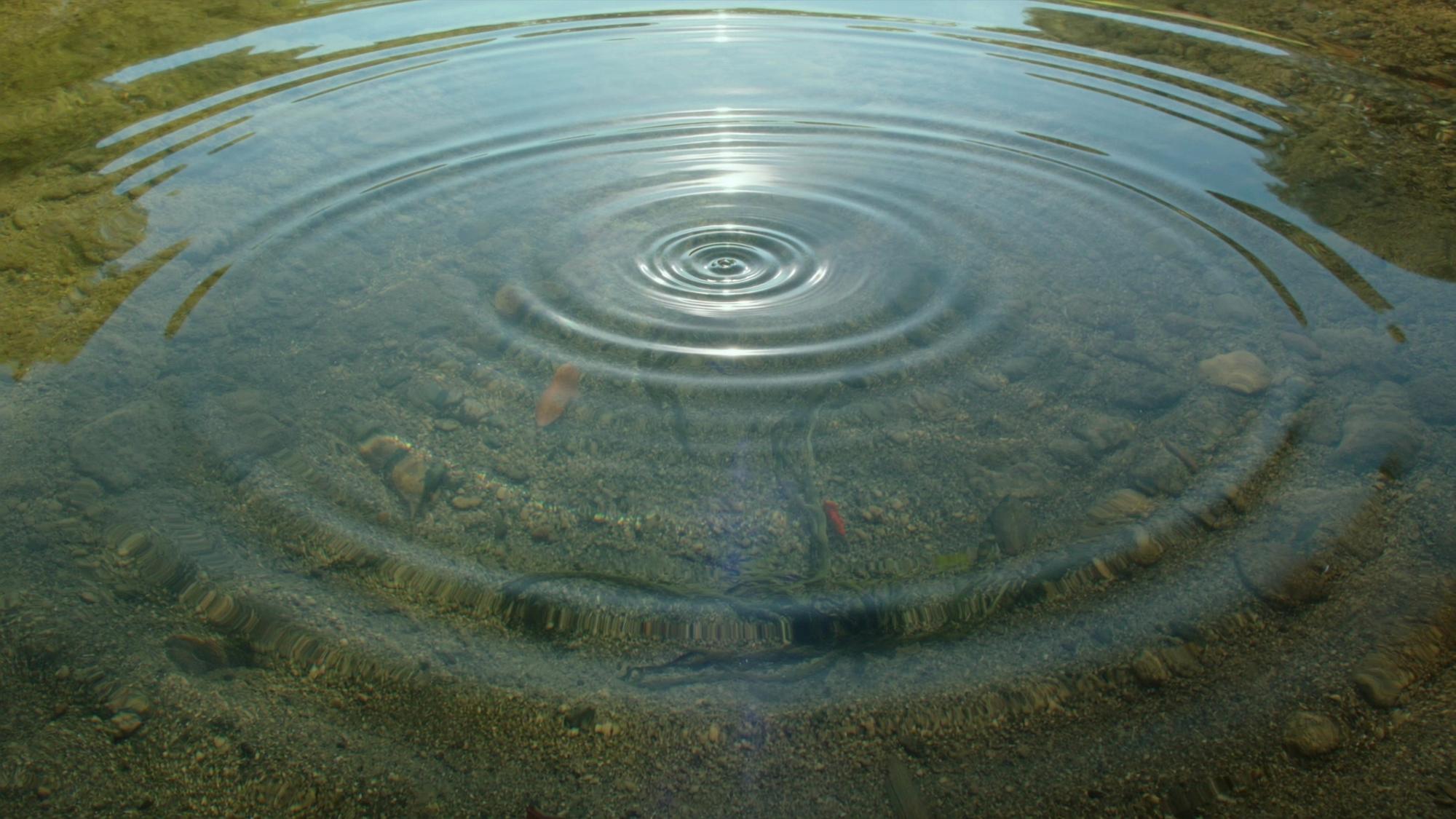
Research summarized by Canada's Beef Cattle Research Council found calves drinking clean trough water gained roughly 9 percent more than calves drinking directly from the dugout, and aerating or treating dugout water has been linked to added daily gain. Cleaner water raises palatability and intake, which supports performance. Verify figures against the source.
It sounds too simple to be true: put a cow on cleaner water and she puts on more weight. But the link between water quality and cattle performance is one of the better-studied questions in prairie livestock research, and the direction of the evidence is consistent. Cattle drinking clean, oxygenated water tend to drink more, and cattle that drink more tend to eat more and gain more.
This is not a magic-additive claim, and it is not a promise for your herd. It is a palatability and intake story, and the numbers below come from published beef research, attributed to the source, not from us. What we can do is help you read the data honestly and run the payback math for your own cattle price and head count.
Better water quality does not fatten cattle directly. It removes a hidden brake on how much they drink, and intake is what drives gain.
Why water quality affects intake and gain
Water is the largest single input a beef animal consumes, and water intake and feed intake move together. When water is warm, green, foul-smelling, or loaded with dissolved salts, cattle drink less of it. Reduced water intake pulls down feed intake, and lower feed intake shows up as slower gain. It is a quiet drag, easy to miss because the animals are not sick, they are just a little off their water.
The main things that make dugout or pond water unpalatable are the same problems the Nature's Pond Care 3-step program is built to fix: excess nutrients, low dissolved oxygen, and an anaerobic bottom that turns the water black and smelly. Algae blooms, the rotten-egg odor of hydrogen sulfide, and high total dissolved solids all push animals to drink less. Clean the water up and you remove the brake.
The trough-versus-dugout evidence
The clearest evidence comes from work summarized by Canada's Beef Cattle Research Council comparing calves offered clean, pumped trough water against calves drinking straight from the dugout. According to that research summary, the clean-trough calves gained roughly 9 percent more over the trial, an average difference of about 18 pounds per head. Those figures belong to the research, not to any product, and your own results will depend on your water, your cattle, and your season.
| Water source | Relative gain (cited) | Avg difference per head (cited) | Source |
|---|---|---|---|
| Clean pumped trough water | About 9% higher | About +18 lb over the trial | Summarized by Beef Cattle Research Council |
| Direct dugout water | Baseline | Baseline | Summarized by Beef Cattle Research Council |
The takeaway is not the exact percentage, which will vary from study to study and herd to herd. It is the direction: across trials, cattle on cleaner water outperformed cattle on the poorer source. That is a rare thing in agriculture, a low-tech input change that repeatedly shows up in the scale weights.
Why the gap widens in summer
The water-quality penalty is worst exactly when your cattle need water most. In the heat of mid to late summer, animals drink far more, so a palatability problem that barely registered in spring becomes a real drag by August. Warm, still, nutrient-rich water is also when algae and the anaerobic bottom are at their peak, so the source is at its worst just as demand is at its highest. That is why the trials tend to show the biggest performance gaps in warm-season grazing, and why keeping a dugout aerobic all summer matters more than a single spring cleanup.
The aeration effect on a dugout
Pumping to a clean trough is one way to raise water quality. The other is to fix the dugout itself so the water coming out of it is already cleaner. That is what aeration does. Continuous bottom-diffused aeration keeps the water column oxygenated and circulating, so it stays aerobic instead of stratifying and going septic at the bottom.
The practical result is water that looks and smells better: less algae, less of the rotten-egg odor that comes from an oxygen-starved bottom, and fewer of the conditions that concentrate problems in late summer. Aerated dugout water is simply more palatable, and palatable water is water cattle drink. Producers commonly pair aeration with beneficial bacteria so the microbes that digest muck have the oxygen they need to work. If your dugout goes black and smelly, our full walkthrough on how to treat dugout water covers the aeration-first fix step by step.
What this means for your herd: the payback framing
Here is the honest way to think about return on investment, without borrowing anyone's percentage as a promise. Aeration is mostly a one-time cost. You buy the system once, and on off-grid pasture it can run for years with only light maintenance. Any per-head gain you capture across a whole herd, over a whole grazing season, stacks up against that single upfront cost.
You do not need a dramatic result for the arithmetic to work. Take your head count, a conservative estimate of extra gain per head, the number of days on water, and your expected price per pound. Even a modest per-head difference across a herd of any size, in a normal season, can offset the cost of an aeration system that then keeps working for years afterward. Run your own numbers before you decide, and lean conservative on the gain assumption.
- Count the head that will drink from the water source over the season.
- Pick a deliberately conservative extra-gain-per-head figure (do not use a study's best case as a guarantee).
- Multiply by your expected sale price per pound to get added value per head.
- Multiply by head count for the herd-level benefit, then compare it to the one-time system cost spread over its service life.
Off-grid is where the math gets easy
Most prairie dugouts sit where there is no power line, which is exactly where the operating-cost side of the ledger tips in aeration's favor. A windmill aerator runs on wind alone, with no ongoing energy bill and no fuel to haul, which is why it fits remote pasture so well. Koenders has been building windmill aerators since 1988, and the off-grid category is the reason the weight-gain conversation and the aeration conversation are really the same conversation for most ranchers.
- See the off-grid aeration systems built for remote dugouts.
- Read how we approach off-grid dugout aeration for acreages and homesteads.
- Get grounded on pond aeration benefits and sizing before you choose a system.
Does it hold for horses and other stock?
The published gain figures are strongest for beef cattle, but the underlying mechanism, palatability driving intake, is not species-specific. Horses, bison, and other grazing stock also drink less unpalatable water, and reduced intake affects condition and performance the same way. We would not put a horse-specific percentage on it, because the trials that produced the cattle numbers were cattle trials. What travels across species is the principle: clean, oxygenated, odor-free water is water animals actually drink, and hydration underpins everything else.
Where the numbers come from, and their limits
Every gain figure on this page is attributed to published beef-research summaries, and we present them that way on purpose. Trials differ in cattle class, starting water quality, weather, and length, so a single percentage should never be read as a guarantee for a different operation. Treat the research as strong directional evidence that cleaner water supports better performance, not as a spec sheet for your herd.
It is also worth being clear about what aeration can and cannot do. Aeration and beneficial bacteria improve palatability, odor, algae, and muck. They do not remove dissolved salts. If your water is high in sulfate, nitrate, or total dissolved solids, treatment will not fix that, and you should test before you rely on the source. Our guide on when your water is actually safe for cattle walks through the thresholds and testing.
The bottom line
Clean water does not fatten cattle by itself. It removes the intake brake that dirty, oxygen-starved water quietly clamps on your herd, and the published research consistently points the same way: cleaner, aerated water supports better gain. For most prairie operations the practical path is off-grid aeration plus beneficial bacteria on the dugout, sized to the water body. If you want help matching a system to your acreage and head count, talk to our pond experts for a free estimate and run the payback math with real numbers.
Fix the water once. Cattle drink more, gain follows, and an off-grid aerator keeps working long after the season ends.
Written by
Nature's Pond Care Team
Pond care experts
Keep reading
Related articles
Pond care tips
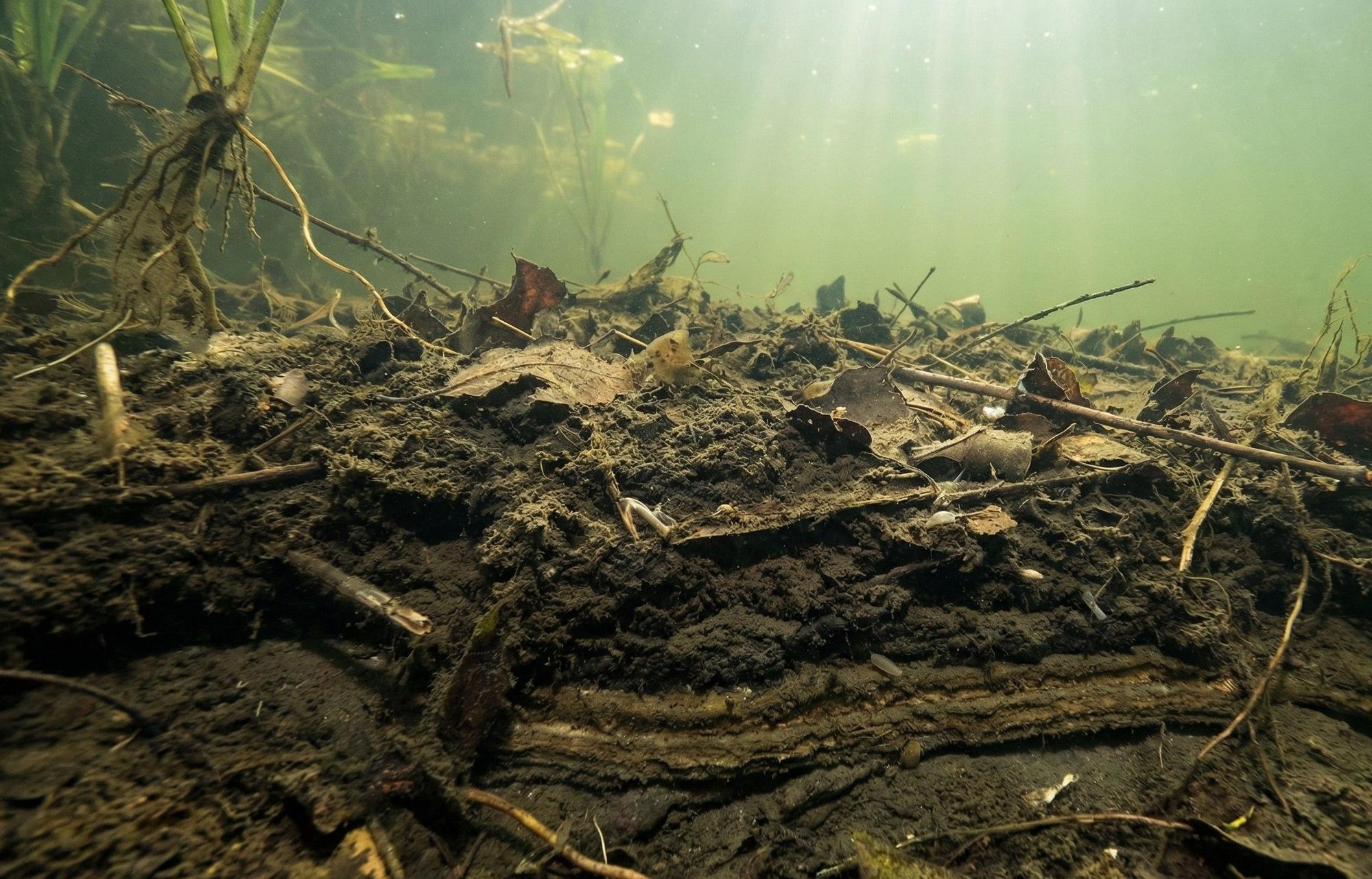
Dredging vs Bacteria vs Aeration: The Real 5-Year Cost of Pond Muck Removal
Have a dredging quote in hand? Compare the real lifetime cost of dredging, beneficial bacteria, and aeration before you spend.
Nature's Pond Care Team11 min read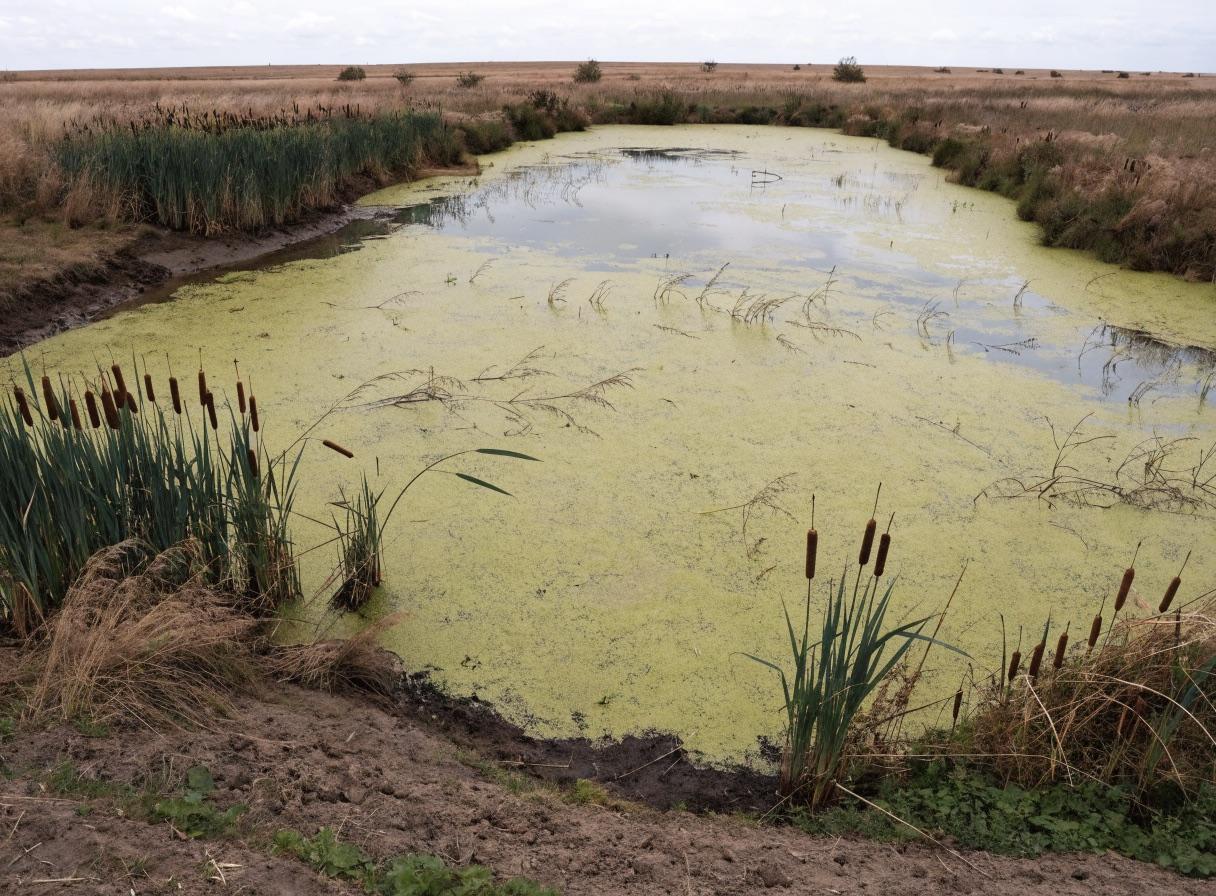
Pond care tips
How to Get Rid of Algae in a Pond, Naturally
Algae isn’t the real problem. It’s a symptom of excess nutrients. Here’s how to clear green water for good, without harsh chemicals.
Nature’s Pond Care Team7 min read
Pond care tips
Getting Rid of Pond Muck & Sludge for Good
That soft black layer on the bottom is more than gross. It’s a nutrient reservoir. Here’s how to break it down naturally.
Nature’s Pond Care Team6 min read
Get started
Put it into practice
Start with the conditioner, add aeration, and let nature do the rest.