 Canada
 United States
Sector guide
HOA Pond Management: Board Responsibilities, Budgets, and a Proactive Plan
Who is responsible for an HOA or stormwater pond, what maintenance really costs, and how a proactive aeration and beneficial-bacteria plan lowers the long-term bill.
Last updated August 31, 2026
In most communities the HOA is responsible for maintaining a shared or stormwater pond, frequently under a municipal stormwater permit. A defensible plan pairs proactive aeration and beneficial-bacteria treatment with scheduled inspections and mechanical removal. Proactive programs are typically far cheaper over time than reacting to blooms, fish kills, and dredging emergencies.
If you sit on a board or manage a community, the pond is often the amenity residents love and the line item nobody wants to own. It looks calm until the water turns green, an odor drifts toward the nearest patios, or a resident asks whether it is safe for their dog. This guide lays out who is responsible for an HOA or stormwater pond, what maintenance actually includes, how to budget for it, and how a proactive plan usually costs far less over time than lurching from one crisis to the next.
The theme throughout is simple: treat the cause, not the symptom. Green, smelly, weed-choked water is driven by excess nutrients (phosphorus and nitrogen), low dissolved oxygen, and anaerobic bottom sediment. A plan that addresses those root causes is the same plan that protects your budget and lowers your liability. For the full technical version across large and shared water, see the complete large-water program.
Who is responsible for an HOA or stormwater pond
In most communities the HOA itself is responsible for the ongoing maintenance of a shared or stormwater pond, because the pond is a common-area asset or permitted infrastructure that serves the whole community. The specific obligation lives in two places: your association's governing documents (the CC&Rs, plat, and any maintenance agreement) and the local stormwater permit that came with the development. Boards should confirm both before assuming a developer, municipality, or individual homeowner carries the burden.
Ownership versus the stormwater permit obligation
It helps to separate two ideas that often get tangled. Ownership is who holds title to the land the pond sits on. The maintenance obligation is who is legally required to keep it functioning. These are frequently the same party, the HOA, but not always. A stormwater or retention pond is engineered infrastructure: it slows and stores runoff so downstream properties do not flood and so sediment and nutrients settle out before the water moves on. That function is usually tied to a municipal permit, and neglect can trigger enforcement, fines, or a demand to restore the pond at the community's expense.
The practical takeaway for a board: pull your stormwater permit and maintenance agreement, read what they actually require (inspection frequency, outlet-structure upkeep, sediment limits), and keep that paperwork with your reserve-study file so it survives board turnover. If the language is unclear, a short conversation with your municipal stormwater office or association counsel is cheaper than a violation notice. Shared and multi-owner water can add consent questions on top of this, which is why so many communities favor a program that does not require a licensed pesticide application. More on that in the permit requirements guide.
What HOA pond maintenance actually includes
"Maintenance" is a bigger bucket than most new board members expect. A well-run community pond program covers water quality, the shoreline and buffer, the engineered structures, and the recurring biology that keeps the water clear. Miss any one of these and the others get more expensive.
- Water quality and clarity: managing algae, odor, and dissolved oxygen so the water stays healthy for fish and pleasant for residents.
- Aeration: keeping oxygen moving through the water column so the bottom does not go anaerobic and start releasing nutrients and rotten-egg odor.
- Beneficial bacteria and enzymes: digesting the organic muck on the bottom that feeds algae, rather than letting it accumulate season after season.
- Shoreline and buffer: mowing setbacks, managing erosion, and keeping a vegetated buffer that filters runoff before it reaches the water.
- Structures: inspecting the inlet, outlet, and spillway, and clearing debris so the pond drains and overflows the way it was engineered to.
- Mechanical removal: raking or harvesting excess weeds and pulling accumulated sludge when biology alone cannot keep up.
- Inspection and records: documented walk-throughs so problems are caught early and so the board can show the permit authority that the pond is being maintained.
That documentation matters more than it sounds. A dated inspection log and a treatment schedule are exactly what protect a board if a resident complains or a permit authority asks questions. They also make budgeting predictable, because you stop being surprised.
Budgeting: reactive versus proactive spend
There are two ways to fund a community pond, and they cost very different amounts over a decade. Reactive budgeting waits for a problem, then pays a premium to make it go away: an emergency algaecide application after a bloom, a scramble after a fish kill, and eventually a five- or six-figure dredging bill when years of muck finally choke the pond. Proactive budgeting spends a smaller, predictable amount every year to prevent those events from happening in the first place.
Actual dollar figures vary widely with pond size, depth, region, and starting condition, so treat any single number you see online with caution. What is consistent is the shape of the spend: reactive care concentrates cost into painful spikes, while proactive care smooths it into a manageable annual line item. Because deferred maintenance compounds (muck feeds algae, algae die and become more muck), the longer a pond is neglected, the more expensive the eventual fix.
The cheapest pond to maintain is the one you never let get bad. Prevention is a line item; a bloom is an emergency.
Why reactive care costs more over time
Copper-based algaecides are the classic reactive tool, and they illustrate the trap perfectly. Copper sulfate kills algae fast, but the dead algae then sinks, rots, and releases the very nutrients that fuel the next bloom, so treatments repeat all season. Meanwhile copper can accumulate in the sediment and knock back the beneficial bacteria you actually want working for you. You end up paying again and again to manage a symptom while the underlying nutrient load keeps climbing. A durable alternative is covered in bacteria versus algaecide over the lifetime of a pond.
| Item | Reactive | Proactive |
|---|---|---|
| Trigger | A visible problem: bloom, odor, or resident complaint | A scheduled annual plan, run before problems appear |
| Typical actions | Emergency algaecide, one-off contractor visits | Continuous aeration, routine bacteria dosing, inspections |
| Bloom and odor complaints | Recurring, seasonal spikes | Fewer, because the cause is being managed |
| Dredging risk | Rises as muck accumulates unchecked | Slowed, because organic muck is digested over time |
| Relative lifetime cost | Generally higher, concentrated in expensive spikes | Generally lower, smoothed into a predictable budget |
A proactive annual plan (the defensible framework)
The most defensible thing a board can adopt is a written, repeatable annual plan. It removes guesswork, survives board turnover, and gives you a paper trail. The backbone is the 3-step Pond Care Program: Renew (condition the water with beneficial bacteria), Revive (aerate from the bottom up), and Remove (take out excess weeds and sludge mechanically). Wrapped around that program, a season looks like this.
Aeration is the foundation the rest of the plan sits on. Bottom-up diffused aeration outperforms surface aeration for mixing the whole water column and keeping the sediment aerobic, and it is what lets your beneficial bacteria work at full speed. For a larger or deeper community pond, or one with no shoreline power, off-grid windmill aeration and solar aeration can run the same diffusers without a power line. If you are unsure what size system your acreage and depth call for, our in-house pond experts will size it for you at no charge rather than leaving you to guess.
How to reduce long-term maintenance cost
Every dollar you can shift from reactive spikes to proactive prevention is a dollar that stops compounding into a dredging bill. A few levers move the needle the most for community water.
- Run continuous bottom aeration so the pond never goes anaerobic and starts releasing nutrients and odor.
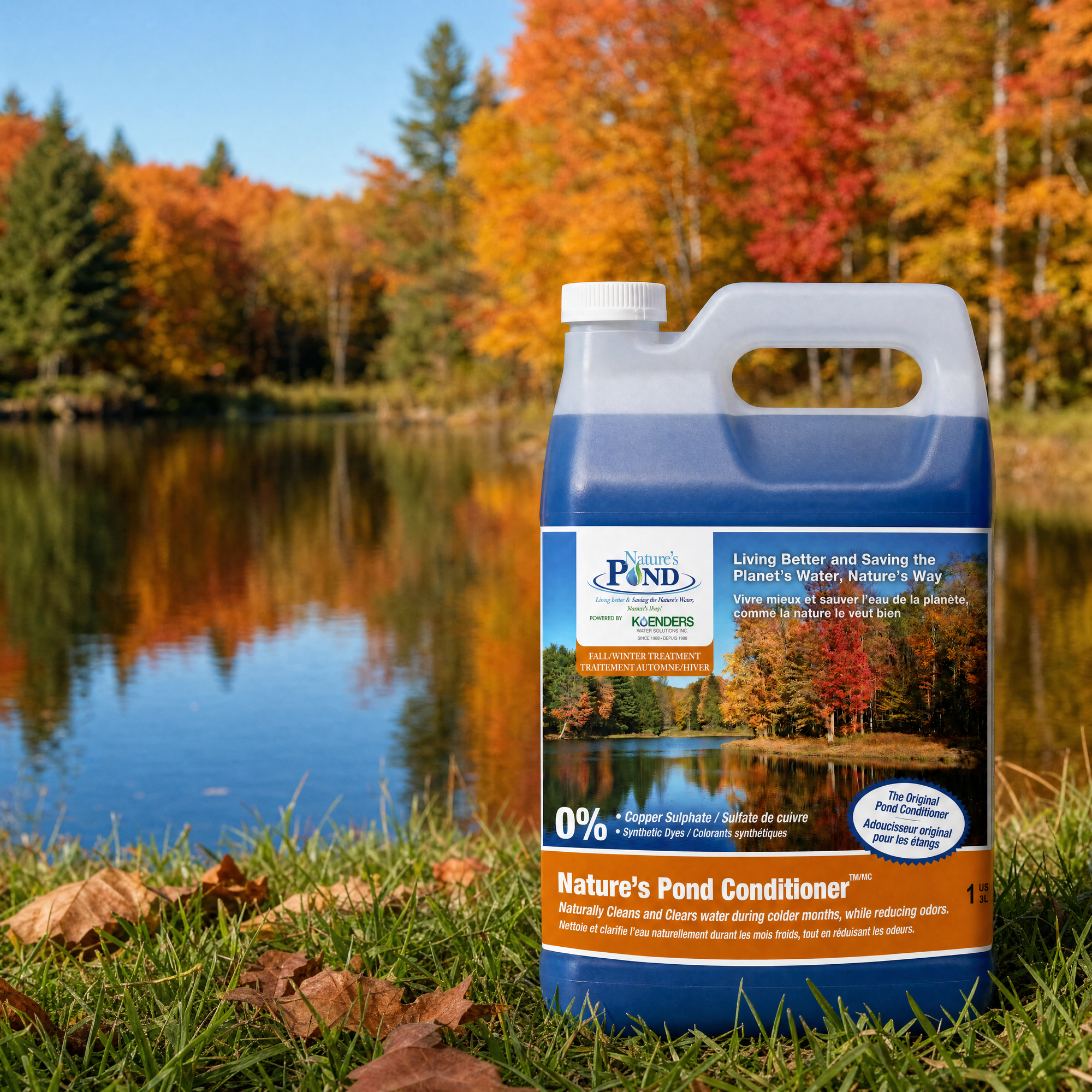
- Dose beneficial-bacteria pond conditioner on a schedule through the warm season to digest the organic muck that feeds algae.
- Keep a vegetated shoreline buffer and reduce fertilizer runoff from common areas, because you cannot digest nutrients you keep adding.
- Rake or harvest weeds and pull sludge with lake rakes and cutters before small problems become big ones.
- Inspect and log conditions on a set schedule so you catch a developing bloom or a clogged outlet early, when it is cheap to fix.
- Favor a biological, non-pesticide program that typically avoids applicator-license and permit hurdles on shared water.
Communities that combine these consistently tend to spend less every year and far less across a decade than communities that pay a contractor to chase each bloom. The pond also simply looks better, which is the amenity residents are paying dues for. For the sector-specific version of this framework, see our work with HOA and community ponds and with lakes and large ponds.
Managing risk: blooms, liability, and permits
A neglected community pond is not just an eyesore, it is a liability. The most serious risk is a blue-green algae (cyanobacteria) bloom, which can produce toxins dangerous to dogs, livestock, and people, and which you cannot confirm is toxic just by looking at it. Boards can carry a duty of care to warn residents and restrict access to a known hazardous bloom on common-area water. The prevention playbook, keeping nutrients low and oxygen high, is the same one that keeps your budget healthy. Read how to spot and prevent toxic blooms before bloom season, not during it.
On the compliance side, most reactive chemical tools bring paperwork. Applying aquatic herbicides or algaecides often requires a permit or a licensed applicator, and stocking grass carp is frequently permit-gated. A beneficial-bacteria and aeration program is generally not a regulated pesticide application, so it typically sidesteps the applicator-license question altogether. The details, which vary by state and province, are in our permit and regulation guide. Always confirm your local rules and, for legal questions, your association counsel.
The bottom line for boards
An HOA pond is a manageable asset, not a recurring emergency, once you treat the cause instead of the symptom. Confirm your responsibility in the governing documents and stormwater permit, write down a proactive annual plan built on aeration plus beneficial bacteria, keep records, and budget for prevention rather than for crises. That combination lowers your lifetime cost, reduces your liability, and keeps the water your residents actually enjoy.
If you want a plan sized to your specific community pond, our pond-care experts will review your situation and give you a free, no-pressure recommendation. Talk to us about a community-pond plan.
Related
- The complete large-water program The full plan for large and shared water
- Blue-green algae safety Spot and prevent toxic community blooms
- Pond algaecide permits and rules What shared-water owners must confirm locally
- HOA and community ponds Our work with shared community water
- The 3-step Pond Care Program Renew, Revive, Remove for clear water
- Talk to our pond experts Free recommendation for your community pond
FAQ