 Canada
 United States
Aeration
Pond Aeration Explained: Windmill vs Solar vs Electric
Aeration is the backbone of a healthy pond. Here’s how the three types compare, and how to pick the right one for your water and site.
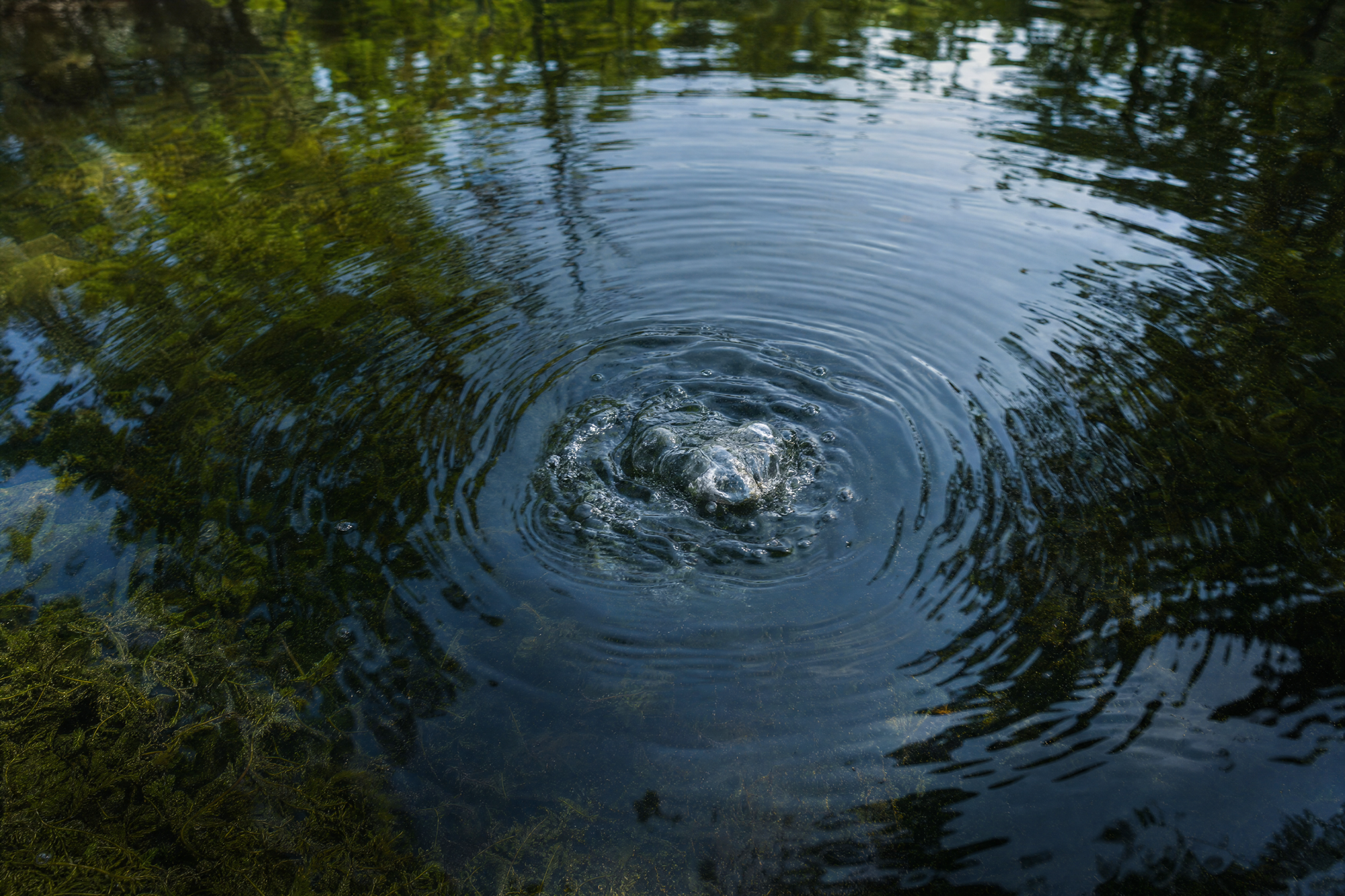
Aeration does more for a pond than almost anything else. By adding oxygen from the bottom up, it powers the beneficial bacteria that break down muck and nutrients, keeps water circulating, and helps prevent the low-oxygen conditions that lead to fish kill.
Windmill aeration
Wind-powered aeration needs no electricity, which makes it ideal for remote and off-grid ponds. A windmill drives a compressor that pushes air through tubing to a diffuser on the pond floor. It’s durable and low-cost to run. Its main limitation is that it depends on wind.
Solar aeration
Solar systems use a panel to run a compressor, so they suit sunny, low-wind sites without grid power. They’re a good fit for smaller ponds where you want quiet, off-grid operation.
Electric aeration
Where power is available, electric aeration delivers the most consistent, around-the-clock output, the best choice for larger or deeper ponds, and for aquaculture where 24/7 oxygen matters.
How to choose
- No power at the pond? Windmill or solar.
- Sunny, low wind, smaller pond? Solar.
- Grid power, larger/deeper pond? Electric.
Not sure what fits your site? Talk to our team or browse aeration systems.
Written by
Nature’s Pond Care Team
Pond care experts
Practical, chemical-free pond care advice from the team that has been helping pond owners keep their water clear and healthy since 1988.
Keep reading
Related articles
Aeration
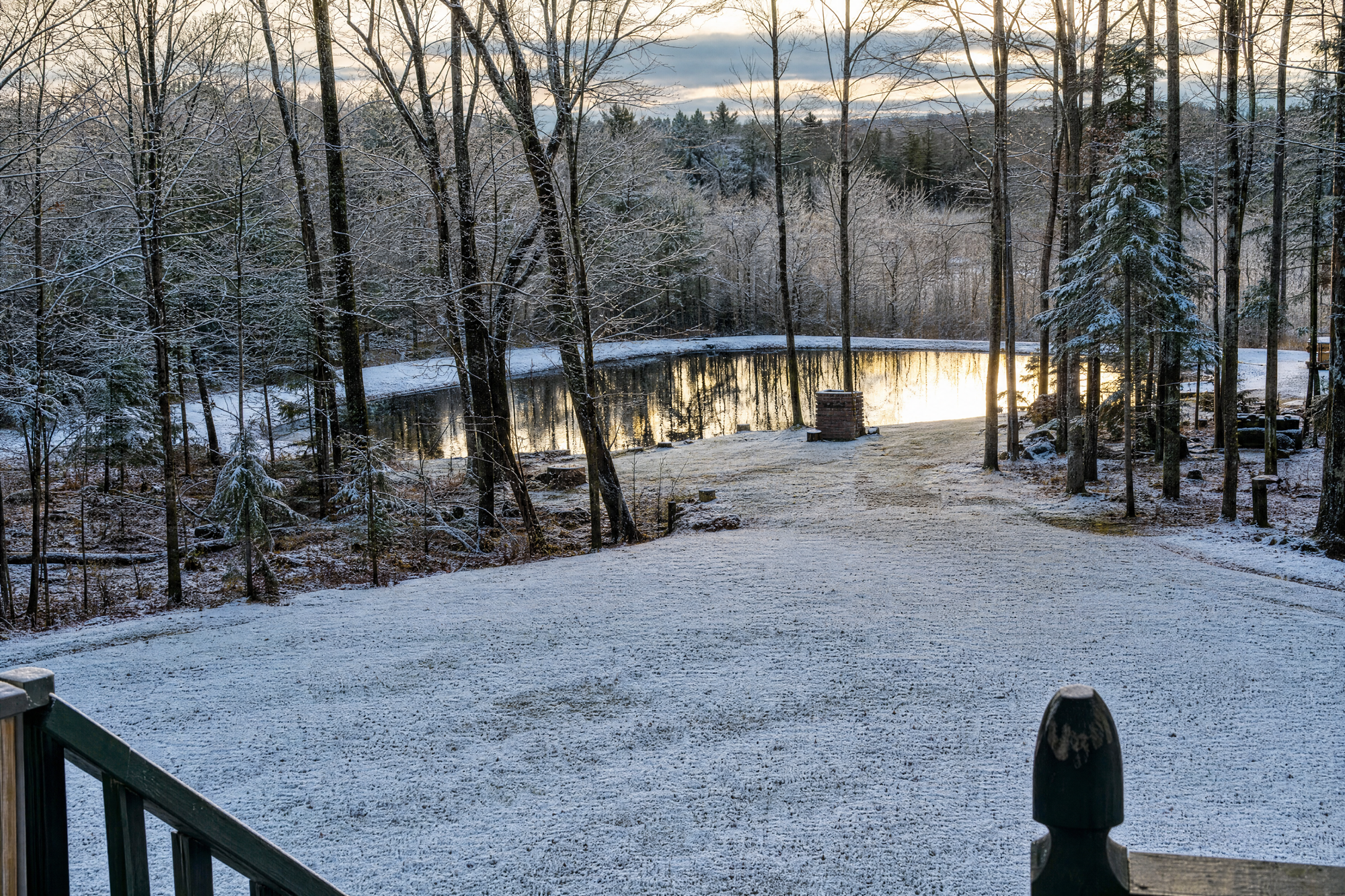
Preventing Winter Fish Kill in Your Pond
Most winter fish loss comes down to oxygen. Here’s why it happens under the ice, and how aeration helps prevent it.
Nature’s Pond Care Team6 min read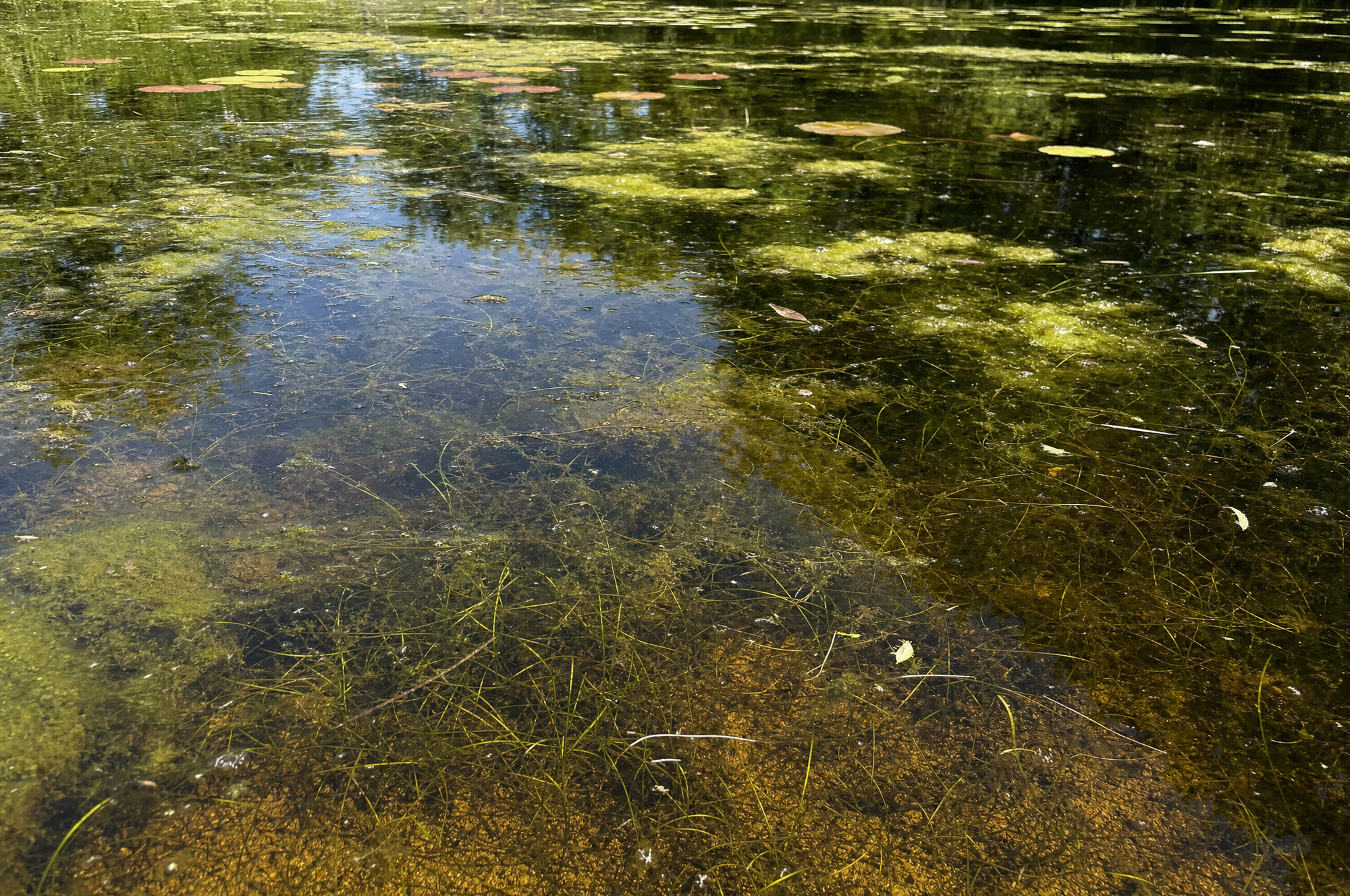
Seasonal guides
Why Your Pond Turns Green Every Summer, and How to Stop the Bloom
Every July your pond goes green again. Here is why summer triggers the same algae bloom, and how to break the cycle naturally instead of chasing it.
Nature's Pond Care Team9 min read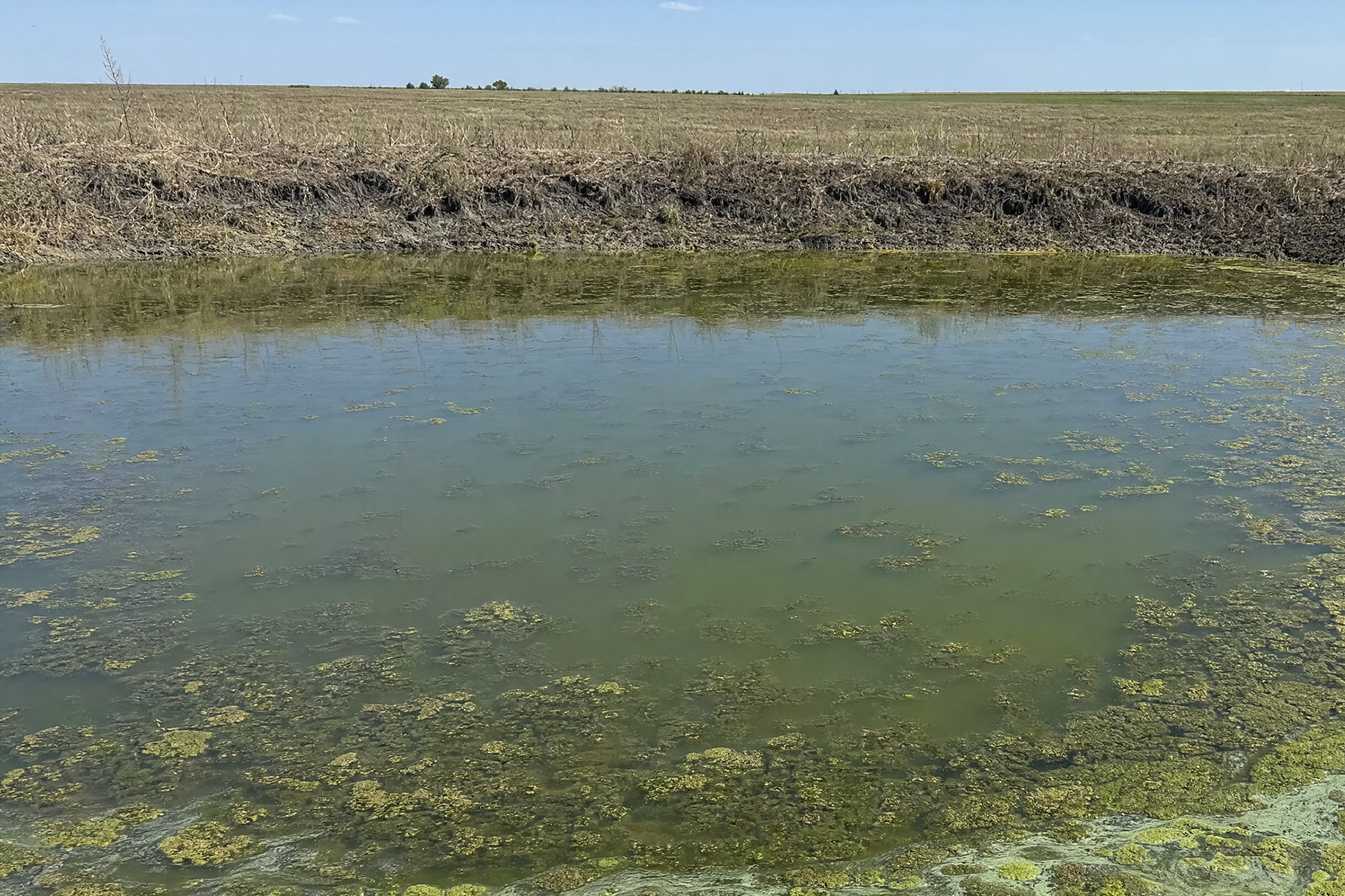
Seasonal guides
Farm Pond Algae Turning Green Every Summer? Livestock Water Safety and the Natural 3-Step Program
Why farm ponds go green every late summer, whether the algae is safe for your cattle, and the durable off-grid way to clear a big pond without harsh chemicals.
Nature's Pond Care Team9 min read
Get started
Put it into practice
Start with the conditioner, add aeration, and let nature do the rest.